kinetic objects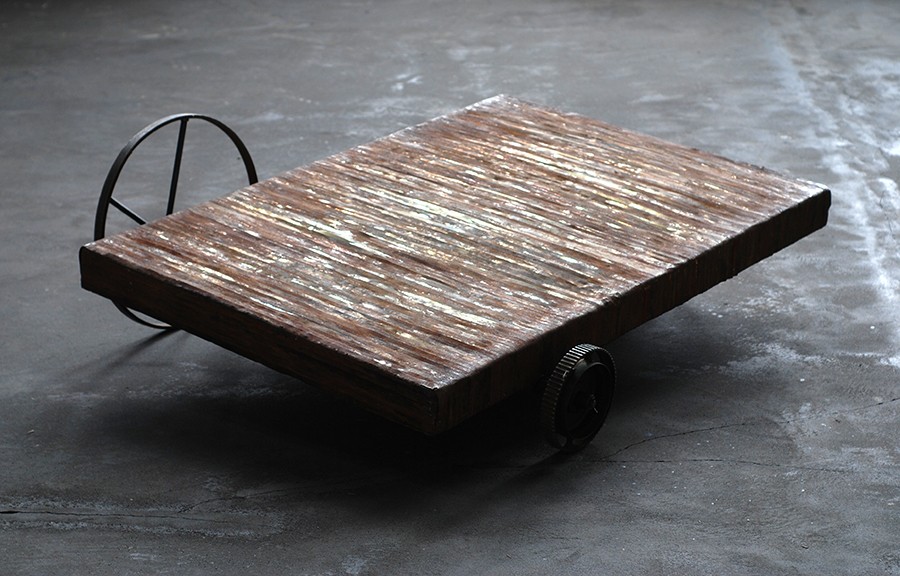
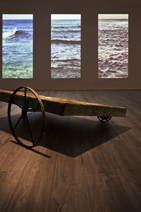
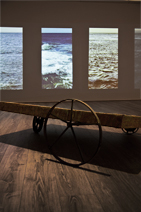
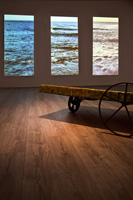
„Vehikel“, 2008, kinetic object, 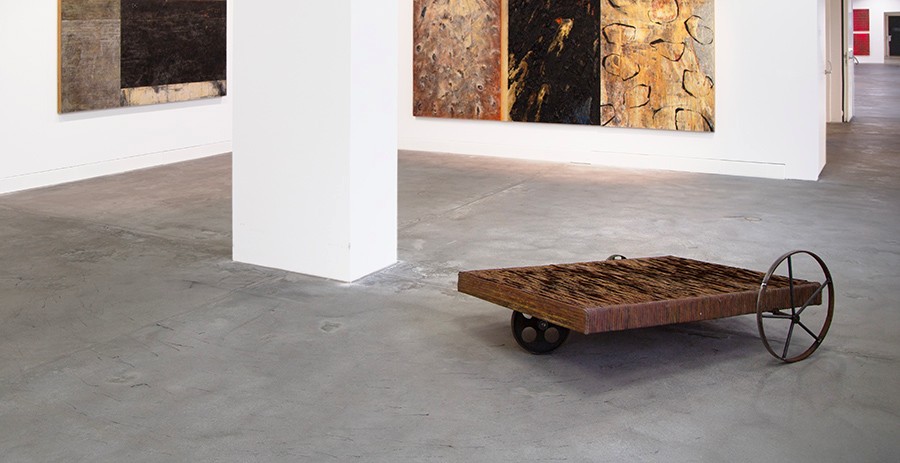
„Vehikel", 2023,in the solo exhibition „A beautiful thought, so week and pointed“, Zentrum für aktuelle Kunst, Berlin (Germany) „Vehikel", in the video installation „Floods of Light“, solo exhibition „Light Zones“, Art Museum Ahlen,(Germany) 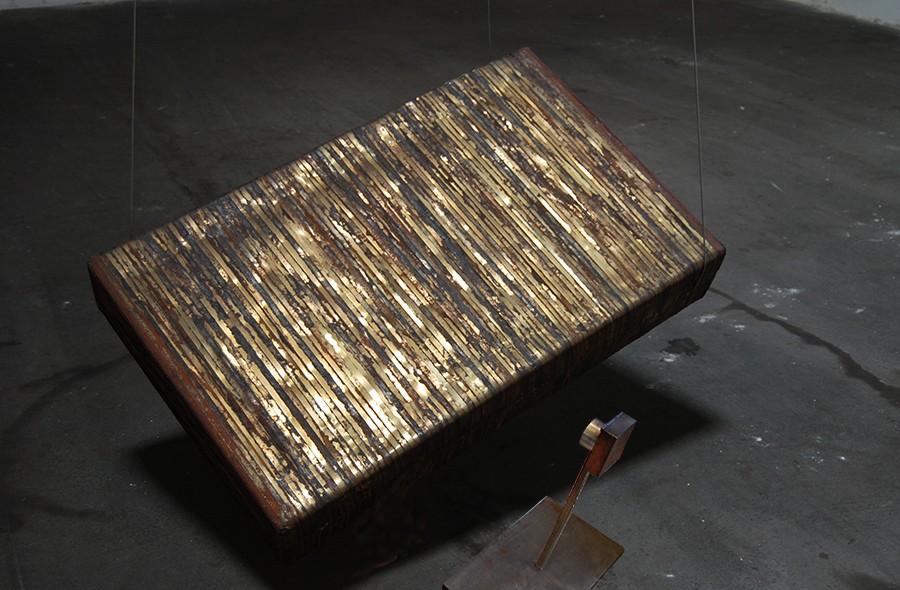
„Pendulum", 2013, kinetic object, „Pendulum", 2013. kinetic object, brass plated, corroded band steel, steel cable, programmed electromagnet, 100 x 150 x 20 cm 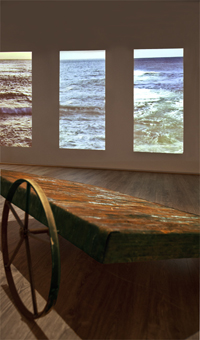
Floods of Light, 2007
Likewise a recent four-part video projection by Margareta Hesse is based on spaces created or flooded by light that atmospherically embrace visitors. In the best tradition of Claude Monet’s earlier series of paintings, the photographic-filmic work Lichtfluten (2007), made however in the wake of the artificial light of the laser, also focuses on the natural light of the changing times of day. It shows four identical views of the sea’s breaking waves as well as the horizon at four totally different times of day, from a stationary camera perspective, in 30-minute loops that are projected adjacently on an exhibition wall. Margareta Hesse herself comments on the observation of light in these highly meditative loops of sea views: ‘I filmed the changing colours of the light reflections on the water, or more precisely the sea, over the course of a day – from blue grey darkness via grey dawn to the glistening bright high-contrast intensity of daylight, from the warm tones of afternoon light until the return of black darkness from a fixed camera position and projected them adjacently in four out-of-synch sequences.’ Between sky and water, between day and night, between darkness and the light of the day, between morning and evening, the viewer experiences the universal wealth of the ever-changing colour effects of the natural light of the sun condensed to video. Without light rays there are no colours, and without colour effects there can be no optical perception of light. Light and nuances of colour are always in a close reciprocal and fleeting relationship in human perception as they also are in such a highly sensory experience as Margareta Hesse’s oeuvre. The videos are positioned parallel to each other in a wall display, of cinematic images replayed as artificial light projections, a meditation on an ever changing, atmospheric and highly variable natural daylight interplaying with the transparency of the free, natural movements of water and its irregular surface of moving waves. Moreover, in front of these video projections and their impressionist and romantic effects, there is a mysterious Vehikel (a kinetic object of brass-plated, corroded band steel and iron wheels, with programmable motor, (45 x 120 x 150 cm), which is covered with partially shiny, partially corroded metal strips, endlessly revolving in the exhibition space, repeatedly passing momentarily through a dazzling spot of light, which briefly illuminates its reflective metallic material and in doing so temporarily interrupts the dominant atmospheric colour of the space, in other words it co-modulates the surrounding space in a manner similar to Laszlo Moholy-Nagy’s famous kinetic light space modulator.
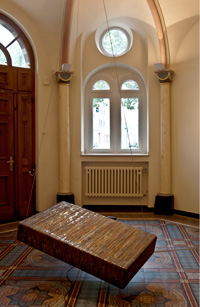
Pendulum, 2013
A similarly mysterious Kafkaesque object with a moving pendulum dominates the so-called Kapellchen space at Ahlener Kunstmuseum (a kinetic object with an electromagnet, brass-plated and with corroded band steel and steel cable, 100 x 150 x 20 cm). Randomly programmed, an electromagnet begins to draw the pendulum out of its stationary position and closer and closer to it, until both make contact with a loud bang, staying connected for some moments during which there is an accompanying magnetic-electric buzzing sound. The sensory-virtual moments in the works of art by Margareta Hesse are here combined with kinetic components to create an all-encompassing impression of vigorous animation, in which the viewer is able to simultaneously recognize a metaphorical meaning. The exhibition visitor must take responsibility for actively exploring and finding their own individual path through all of Margareta Hesse’s atmospheric light zones. The perception of light and colour therefore always remains subjective, and the ever changing visual experiences and striking sensory episodes always transcend the factual sober materiality of the works of art. |